Brand voice and tone
An approved lexicon, banned terms with the substitution written next to each one, headline conventions, and a review step that catches it when someone ignores all of the above.
Lifecycle and email
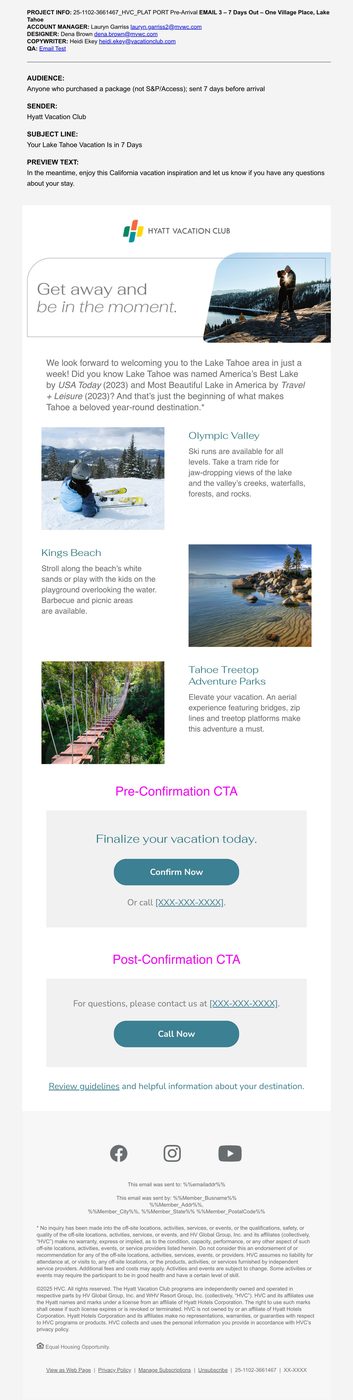
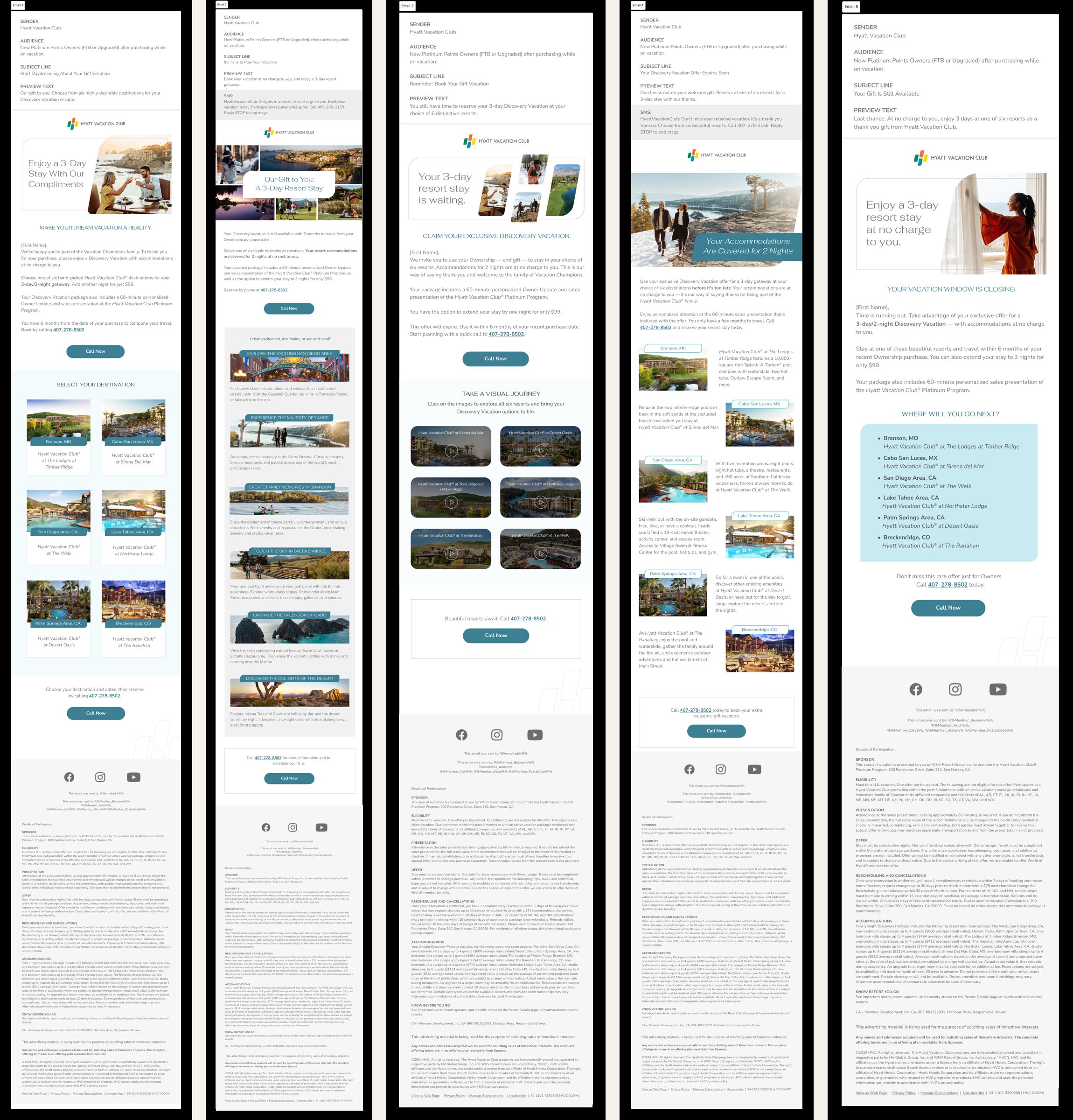
Pre-arrival, onboarding, nurture, win-back, and the confirmations most programs leave on the default template. Written to segment, tested against its own report.
Direct response and e-commerce
Learned it at a catalog company, where the product page was the only salesperson. Subject lines, product pages, offers, and CTAs measured on click-through and order value.
Integrated campaigns
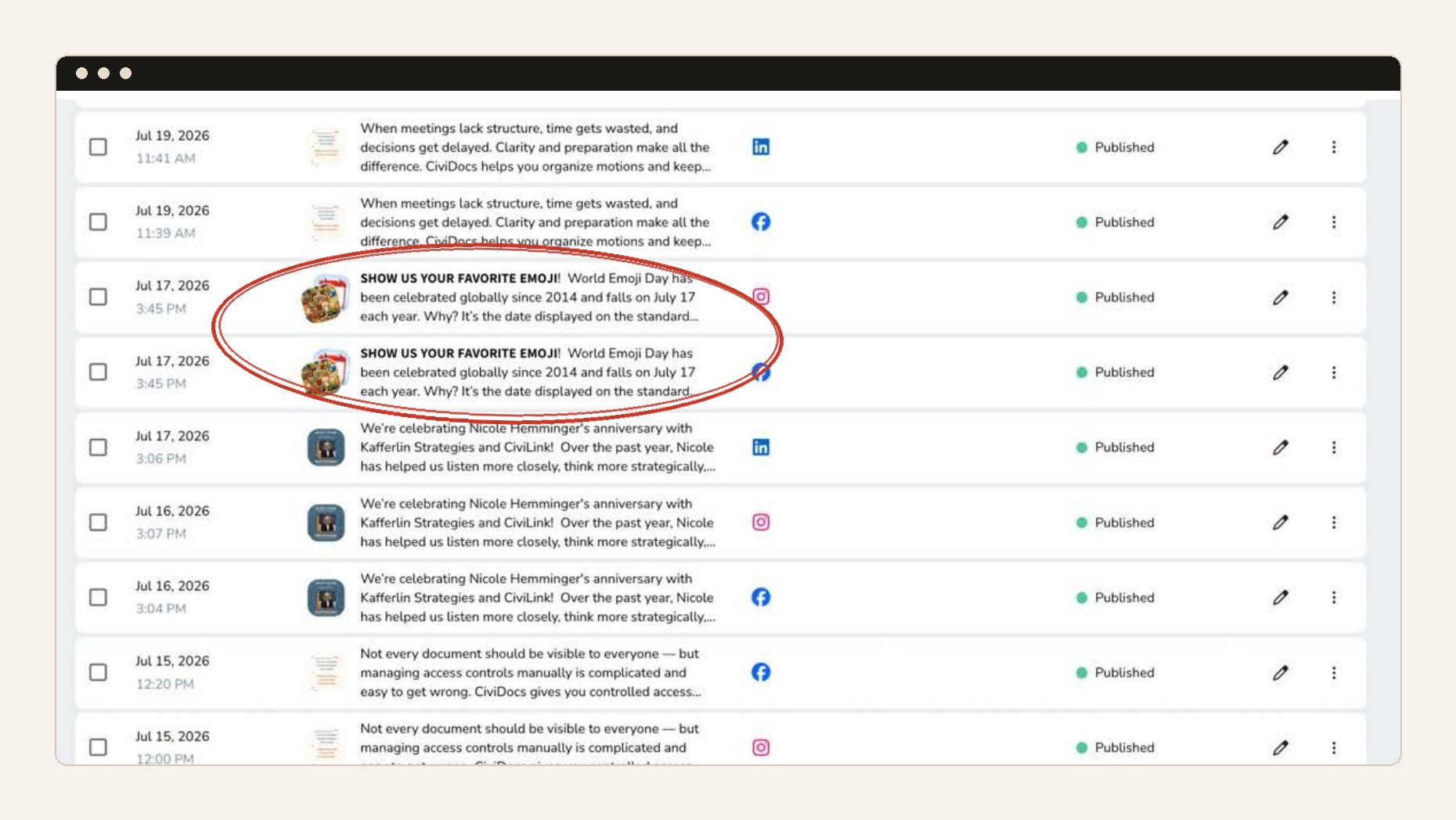
One idea carried across email, landing pages, paid social, direct mail, print, signage, and scripts. It has to still be the same idea by the time it reaches the sign.
Long-form and technical
Ownership guides, program explainers, member newsletters, and destination features. Contract language turned into something an owner can read on a phone at an airport gate.
Content strategy
Deciding what gets written and why: audience, sequence, channel, and standards clear enough that the next writer doesn’t need me in the room.
Accessibility and compliance
WCAG-conscious UX and alt text; copy aligned with FTC rules and state disclosure requirements in a heavily regulated category.
Naming and messaging
Product and property naming, including trademark clearance through TESS/USPTO — and one mark carried through to registration.
AI-assisted workflows
Prompt and context design, with me reading every output before it goes anywhere. I write the rules, and I catch the model when it’s wrong.